


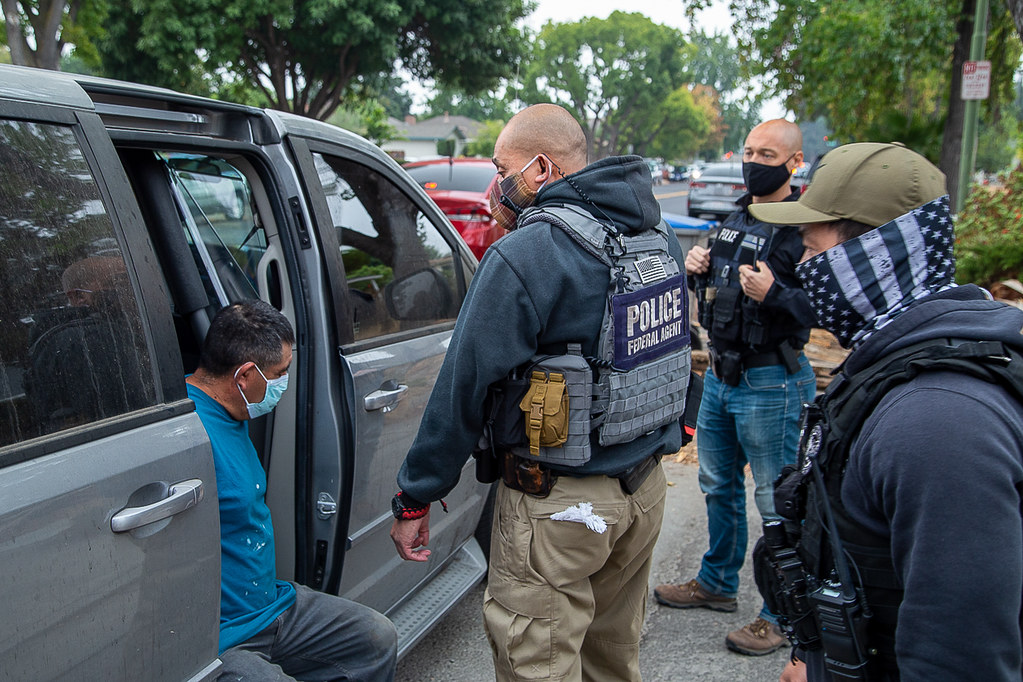
Immigration enforcement has transformed the day-to-day life of New England over the past ten years, providing an indelible imprint on families, places of work, and whole local economies. In textile mills of Massachusetts and in rural dairy farms of Vermont, Immigration and Customs Enforcement (ICE) operations, whether it is a focused arrest or a wide-scale raid in a workplace, have produced a sense of paranoia and unpredictability that many societies are still struggling with.
The immigration situation in the area became very different in 2008-2024 when the federal priorities changed under three presidential regimes. Under President Barack Obama, the enforcement was intensive, though not entirely, on people with a criminal record, but critics noted that deportations were also at new highs. The Trump administration at the time broadened the enforcement to cover almost all types of undocumented immigrants, upgrading workplace activities and high-profile raids in states such as Massachusetts, Rhode Island, and New Hampshire. Although the priorities shifted once again, with the Biden administration focusing on the threat to national security and the threat to public safety, most families in New England claim that they cannot overcome the trauma of the past years.
The personal narratives are what bring out the human elements of the issue more than any discussion of policy. The sudden arrests of families at places like Lynn, Chelsea, Providence, and other areas of southern Maine created shockwaves in whole neighborhoods. Parents were arrested during regular traffic stops or when they were commuting to work. Some had been apprehended at home early in the morning, leaving children to rise and meet an empty kitchen table and no explanation. The schools in Massachusetts and Rhode Island recorded outbreaks of absenteeism following significant enforcement measures. Educationists reported on students who were so scared of going out of their homes or to school, being distracted because a parent had died by the time they got home. The symptoms of anxiety disorders and trauma, such as sleep disturbances, panic attacks, and depression, were observed in the group of social workers, particularly in children of mixed-status families.
The financial crash on families has been just as devastating. Households were usually left without any form of stable income when a main wage earner was arrested or deported. Law expenses soon ran high, even in the tens of thousands of dollars, making families take out loans, take second jobs, or depend on community welfare. The likelihood of housing insecurity increased because of the default on rent. Families did not want to visit hospitals, governmental benefits, or even school events, as they were afraid that any contact with official organizations could lead them to the ICE. Leaders of churches, school counselors, and the organizations that support immigrants in New England remembered families limiting their daily activities: not driving, going shopping only at late hours, or declining to participate in community events. The fear was not abstract; ICE was familiar with the practice of using courthouses, workplaces, and other areas of the population as a site of arrest, which is why many of them avoided staying in public.
The effect on the workplace spilled over to the key industries in New England. Vermont dairy farms, Maine seafood planters, Massachusetts restaurants and construction companies, and Connecticut elder-care providers are all major users of immigrant labor. New staffing crises were created by abrupt enforcement operations. Dozens of workers were arrested during a single morning during some raids; employers used to lose half of their workforce during the night. It was costly to the economy. Owners of businesses have claimed that they have had to delay production, cancel contracts, and even temporarily close their businesses. Those employers who had spent years developing skilled workers saw their business blow up. In industries with already existing labor shortages, including home-health care and hospitality, ICE actions exacerbated the situation, where some of the businesses had to cut down on the services or operation time.
There was also a change in consumer behavior under the shadow of enforcement. Immigrant families were not shopping in stores, shopping centers, restaurants, or local stores where ICE activity was reported, and this decreased revenue generated by small businesses that depended on the foot traffic of the locals. In Massachusetts, community activists recorded incidents where the loss of patrons in entire commercial areas had been witnessed days after a high-profile arrest was made. At a greater level, the decline in workforce participation and local expenditure was found in towns where the number of immigrants is strong (Lawrence, Central Falls, and sections of Portland). According to economists, there was a ripple effect in terms of revenue from sales tax, slow growth in business, and high demand on local assistance programs.
In New England, the response to federal immigration enforcement has been highly political. The cities of Boston, Cambridge, Somerville, and Providence implemented or enhanced the sanctuary policy, restricting the interaction between the local police and ICE. The policies were meant to reassure residents that they will not be deported once they report crimes or access to the public services. Nevertheless, collaboration also differed across counties and law enforcement agencies. In New Hampshire and Massachusetts, there were departments of sheriffs that respected ICE detainers, and those that denied them. The law community was the most important point of defense. The ACLU of Massachusetts, the MIRA Coalition, Catholic Charities, and local community centers assisting immigrants broadened hotline services, rapid-response teams, and emergency legal provision. Lawyers volunteered late at night, drafting bond motions on behalf of arrested parents. The community groups held rallies, emergency fundraising drives, and general education to the people to enlighten them about their rights. Although the enforcement has changed during the Biden administration to be more focused, several supporters contend that the harm of previous years is still present. Families that survived the Trump-era raids complain of persistent psychological trauma and mistrust of the police.
New England experts and community leaders have still demanded reforms that would ensure families and stabilize local economies. Some of the recommendations include more access to legal representation, humanitarian aid to an affected family funded by the state, and better policies of the local and police to divorce the community policing and the immigration enforcement. Schools and community centers should also continue to have mental-health programs that cater to the needs of children with the emotional scarring of family separation. Owners of businesses have requested states to come up with workforce stabilization and increase protection of the workers, stating that the enforcement of immigration should not bring down the industries within the region. Non-governmental organizations keep lobbying the government to have a law that would restrict ICE from sensitive places like schools, hospitals, and places of worship. The federal policy is no longer the sole topic of discussion as New England makes its future predictions. It is also concerned with mending communities, restoring trust, and recognizing the tremendous human toll that immigration enforcement has had on families, businesses, and towns throughout the region.

NEAT Media (New England Ascent Tribune) is a nonprofit News Network dedicated to elevating the stories, perspectives, and experiences of immigrants and people of color across New England.