


Urban centers across New England are facing mounting tensions over immigration policy and racial equity. Advocates warn that restrictive state laws and systemic neglect are pushing immigrants and communities of color to the margins of economic and social life.
In Massachusetts, the Safe Communities Act is at the forefront of this debate. The Massachusetts Immigrant and Refugee Advocacy Coalition (MIRA) is spearheading a campaign to ensure local police and courts do not cooperate with federal immigration officials—a move they argue is critical to preserving trust in public institutions and preventing routine police encounters from turning into deportation cases.
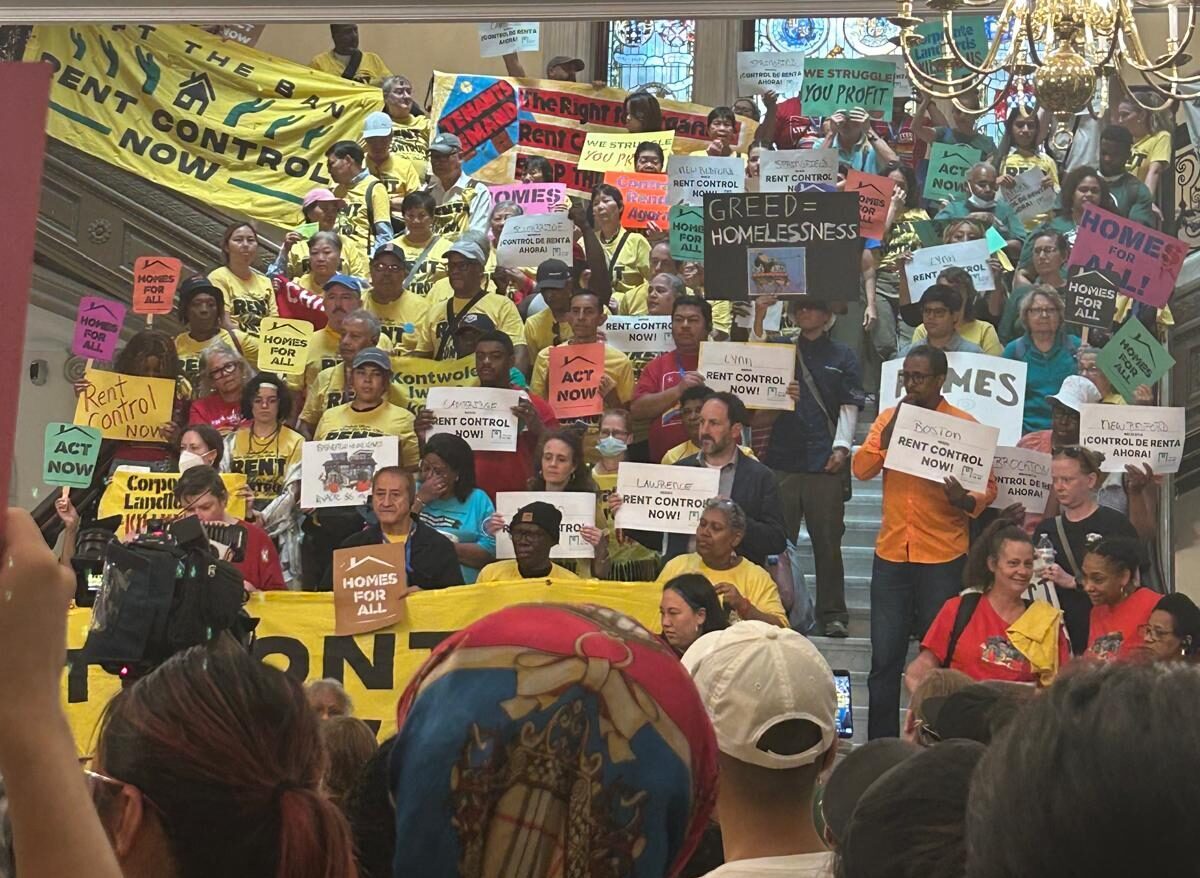
Housing discrimination compounds the crisis. In Boston, gentrification has displaced communities of color, while immigrant families are burdened by exorbitant rents and barriers such as language differences and a lack of Social Security numbers. Across Massachusetts, Migrant Justice is advocating to classify immigration status as a protected category in fair housing laws, a policy change that could curb employer-led housing exploitation.
Healthcare access remains another flashpoint. Thousands of immigrants in Hartford and Providence lack state-funded insurance despite the region’s reputation for world-class medical care. Maine advocacy groups are promoting the “Cover All Kids” bill to extend Medicaid-type coverage to all children, regardless of status, calling current exclusion policies that perpetuate health inequities.
Economic justice advocates highlight the massive barriers to credential recognition. In New Hampshire, highly educated African immigrants often end up in low-wage jobs because their qualifications aren’t recognized and language services are scarce. The absence of state-level Earned Income Tax Credits (EITC) further widens wealth gaps.
As 2025 unfolds, sanctuary policies at the local level clash with opposing state practices, creating a fragmented enforcement patchwork. Advocates warn that without comprehensive reform, New England risks becoming a region where prosperity is reserved for the wealthy, while immigrant communities—essential to its workforce—are left behind.

Said Abdikarim is a visionary business and nonprofit leader with more than a decade of experience in strategic communications, public policy, and civic engagement. His work spans nonprofit, educational, and public-sector organizations, where he has led high-impact initiatives focused on narrative strategy, complex project management, and meaningful engagement with diverse communities and stakeholders.