
Massachusetts is at a crossroads. As lawmakers debate immigration protections and workforce shortages intensify, immigrants and communities of color are playing an increasingly vital role in shaping the state’s economic future, cultural identity, and civic institutions. Recent research and policy developments suggest that the Commonwealth’s long-term prosperity may depend heavily on its ability to attract, retain, and support diverse populations.
A Changing Massachusetts
Massachusetts has long been a destination for newcomers seeking educational opportunities, economic mobility, and safety. Today, immigrants represent roughly one-quarter of the state’s labor force and contribute billions of dollars annually in spending power and tax revenue. Researchers from Boston Indicators and the MassINC Policy Center estimate that immigrants generated approximately $50.5 billion in spending power and contributed about $7.4 billion in state and local taxes in 2024.
The report warns that demographic trends, including an aging workforce and domestic outmigration, could create serious labor shortages unless Massachusetts attracts between 60,000 and 64,000 new immigrants annually through 2030. Key sectors such as healthcare, higher education, and construction are particularly dependent on immigrant labor.
These findings underscore a reality often overlooked in political debates: immigrants are not merely newcomers seeking opportunity; they are increasingly essential to the state’s economic stability.
The Human Side of Immigration
Behind the numbers are thousands of families navigating complex journeys to establish new lives in Massachusetts. A recent NBC Boston series documented the experiences of migrants arriving in the Commonwealth, many of whom were fleeing economic hardship, political instability, or violence in their home countries. Their stories reveal both the challenges of resettlement and the resilience of immigrant communities.
Many newcomers face barriers including housing shortages, language differences, limited access to legal services, and employment obstacles. Yet community organizations, schools, faith groups, and local advocates have worked to provide support systems that help immigrants integrate into their new communities.
For many Massachusetts residents, immigration is no longer an abstract policy issue. It is a reality visible in classrooms, hospitals, neighborhoods, and workplaces across the state.
Communities of Color Leading Civic Change
Communities of color have also emerged as influential voices in state policymaking. One of the most notable examples is the Massachusetts Black and Latino Legislative Caucus, which recently championed the PROTECT Act, a major piece of legislation designed to strengthen constitutional protections and address concerns about immigration enforcement practices.
Supporters of the legislation argue that stronger protections encourage trust between immigrant communities and public institutions, particularly law enforcement, healthcare providers, and schools. The law includes provisions affecting immigration enforcement near sensitive locations and seeks to improve protections for immigrant survivors of crime.
The debate surrounding the legislation highlights broader questions about public safety, civil rights, and the role of local governments in responding to federal immigration policies. Regardless of political perspective, the discussion demonstrates the growing influence of immigrant and minority communities in shaping public policy throughout Massachusetts.
Culture as a Source of Strength
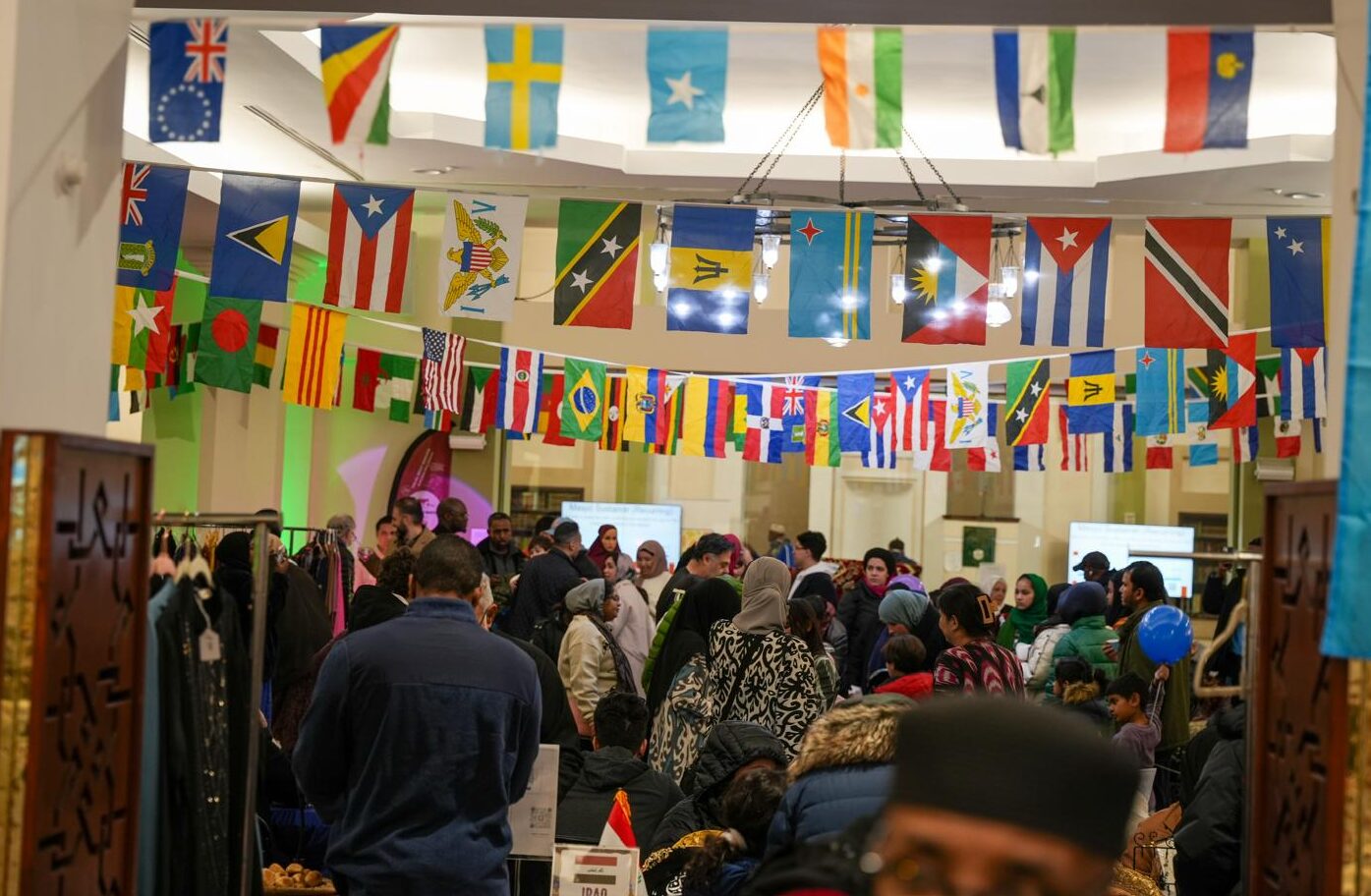
The contributions of immigrants and people of color extend far beyond economics and politics. Across Massachusetts, communities are preserving traditions while enriching the cultural fabric of cities and towns.
A WCVB feature highlighted how immigrant communities are sharing their heritage through music, food, media, and entrepreneurship. Latino radio stations, cultural festivals, and community organizations have helped foster cultural pride while strengthening connections among diverse populations. [wcvb.com]
These cultural institutions serve an important role during a period when many immigrant families report concerns about deportation, discrimination, and uncertainty. By celebrating identity and heritage, they help counter negative stereotypes and build stronger community ties.
The Policy Battles Ahead
Recent legislative efforts reflect the growing tension between economic realities and political debates surrounding immigration. Massachusetts lawmakers recently unveiled an agreement that would expand protections against warrantless immigration arrests in certain sensitive locations, including schools, childcare centers, and healthcare facilities. Supporters view these measures as essential safeguards for immigrant communities, while critics argue they could complicate immigration enforcement efforts.
At the same time, business leaders and policy researchers continue to warn that declining immigration could worsen labor shortages and slow economic growth. The challenge facing Massachusetts policymakers is balancing public concerns while ensuring that the state remains attractive to the workers, entrepreneurs, and families needed to sustain future prosperity.
Looking Forward
Massachusetts has always been shaped by successive generations of newcomers. Today’s immigrants and communities of color are continuing that tradition while helping address some of the state’s most pressing economic and social challenges. From hospitals and construction sites to classrooms and legislative chambers, their influence is increasingly visible.
As policymakers debate the future of immigration and equity initiatives, one fact remains clear: the future of Massachusetts will be shaped in large part by the success, inclusion, and participation of its diverse communities. The choices made today may determine not only the state’s economic competitiveness but also its identity as a place of opportunity for generations to come.
Sources: WBUR, Boston.com, MassLive, NBC Boston, WCVB, Revere Journal. [wbur.org], [masslive.com], [boston.com], [reverejournal.com], [wcvb.com], [nbcboston.com]
Abdullahi Hussein is a community journalist focused on uplifting immigrant voices and local stories in Boston. He is also our director of editorial and development.