

For many immigrant and undocumented families, the Christmas holiday is no longer defined by joy, public worship, or large family gatherings. Instead, it is marked by fear, silence, and calculated restraint driven by the growing presence and reach of U.S. Immigration and Customs Enforcement (ICE).
Across the country, and particularly in immigrant-heavy regions like New England, families say immigration enforcement has fundamentally changed how and whether they come together during the holiday season.
Gatherings Marked by Fear, Not Festivity
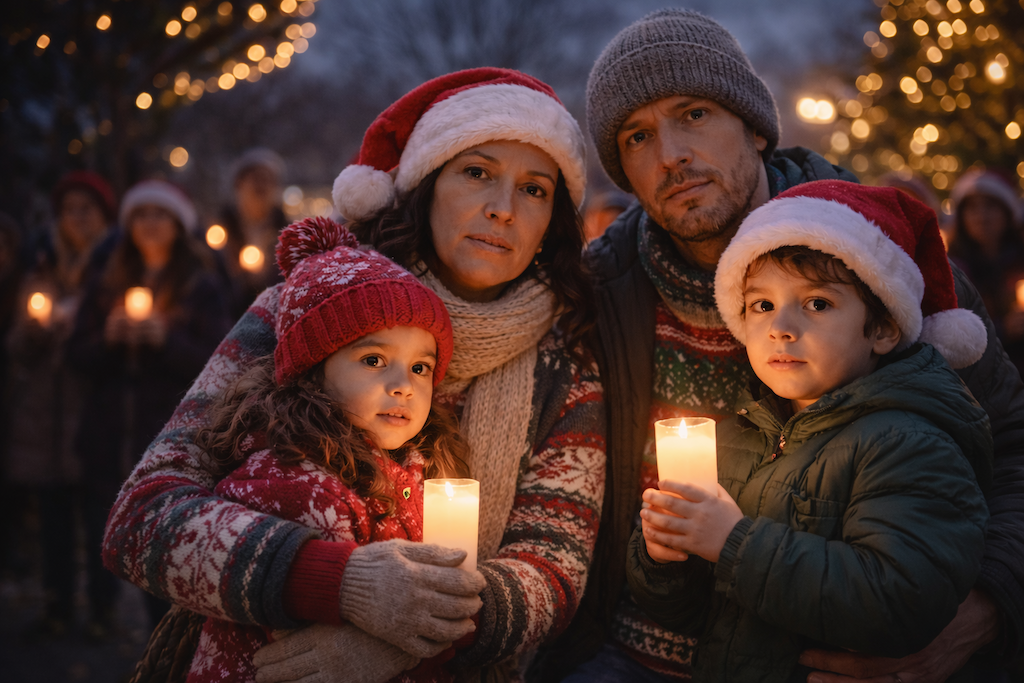
In Latino and immigrant neighborhoods, families say ICE activity has changed how they gather, if they gather at all. According to ILatino News reporting, community members describe canceling Christmas events, avoiding public processions, and limiting attendance at holiday dinners out of fear that enforcement agents could be nearby. One resident told the outlet plainly, “I’m actually afraid to gather.”
Faith leaders and advocates say ICE activity has increasingly appeared near places once considered safe, including houses of worship spaces traditionally viewed as sanctuaries during moments of crisis and celebration.
Churches No Longer Feel Like Safe Spaces
Houses of worship, long seen as sanctuaries, have not been immune to these fears. El País reports that many churches across the United States have seen declining attendance during Christmas services, as undocumented congregants avoid spaces they once trusted. Some parishes have shortened services or discouraged large gatherings to reduce risk.
In a striking form of protest, some churches have altered traditional nativity scenes to reflect the realities immigrants face today. As reported by 13abc, nativity displays in several communities now include zip ties, gas masks, and cages symbolizing detention and enforcement rather than peace and refuge.
“There Is No Reason to Celebrate”
For many migrants, the emotional weight of enforcement fears has stripped the holiday of meaning altogether. In a Christmas Day report, El País documented migrants across the U.S. who say ongoing deportation threats, family separation, and unresolved immigration cases have left them unable to celebrate. One migrant summed it up simply: “There is no reason to celebrate.”
Mental health advocates warn that the holiday season can intensify anxiety and trauma for undocumented families, particularly parents trying to maintain a sense of normalcy for their children.
Boston: Resistance, but Also Silence
In Boston, immigration enforcement has sparked both public resistance and quiet withdrawal. Reporting by The Guardian highlights how immigrant communities and faith leaders have organized legal observers, rapid-response networks, and community defense efforts in response to ICE activity.
At the same time, many families respond not with protest but with invisibility, staying home, avoiding services, and celebrating privately to reduce risk.
Enforcement Reaches the Pews
The fear deepened further as reports emerged of ICE enforcement actions occurring near or inside churches. People’s World documented cases of individuals being detained in or around places of worship, undermining long-standing assumptions that religious spaces offer protection.
Taken together, these reports paint a stark picture of what the holiday season now represents for many immigrants: not celebration, but survival. Christmas gatherings are smaller, quieter, and often hidden. Shared meals double as mutual aid. Prayer becomes a source of protection. Community becomes strategy.
Despite the fear, families continue to come together carefully and courageously, asserting their humanity in a climate that often seeks to erase it.

Abdullahi Hussein is a community journalist focused on uplifting immigrant voices and local stories in Boston. He is also our director of editorial and development.