


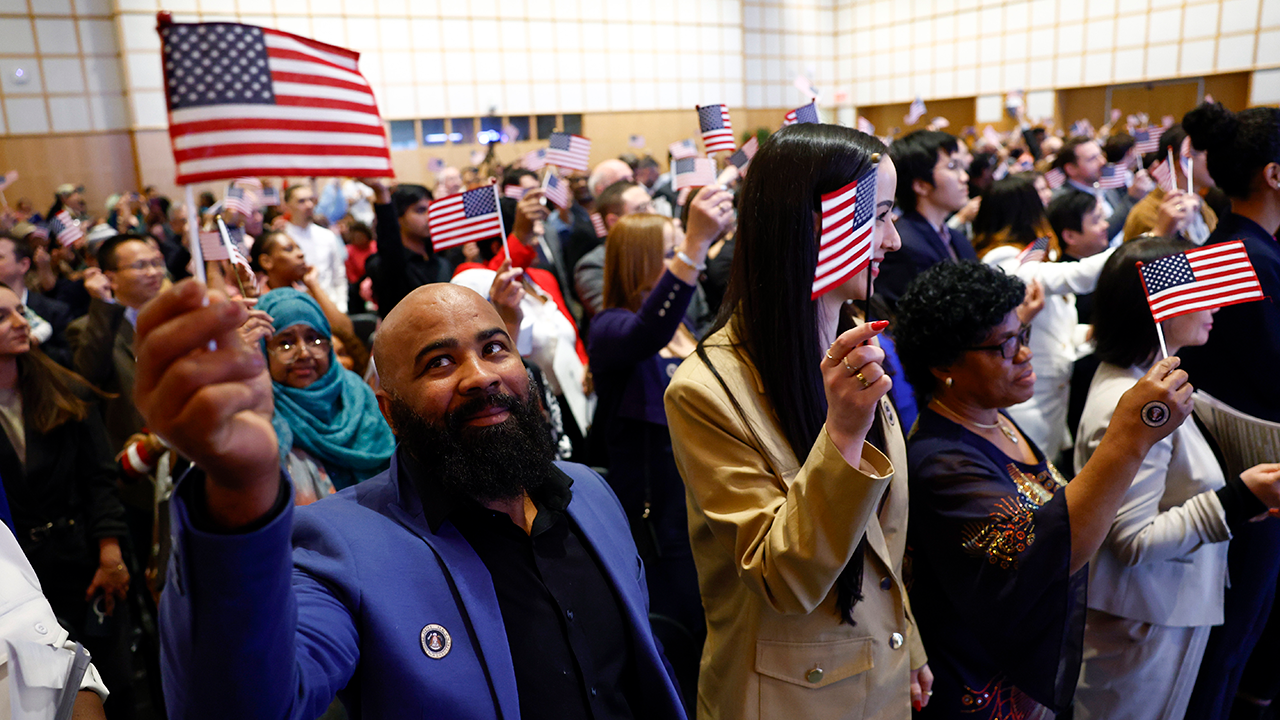
Across Massachusetts, immigrant communities—many of them made up of people of color—are experiencing a renewed wave of fear as federal immigration enforcement intensifies in 2026. Reports from advocates and local organizations indicate that families are increasingly worried about routine encounters turning into detention or deportation, even for those without criminal records.
Protest Movements Amplify Voices of Workers and Families
In response, activists and community members are mobilizing across the state. On May 1, hundreds gathered on Boston Common for a May Day protest highlighting immigrant labor rights and growing fears of enforcement.
The demonstration included powerful reenactments of workplace exploitation and encounters with immigration agents, reflecting the lived experiences of many immigrant workers. In one scene, workers were threatened with deportation after demanding fair wages and basic protections—an illustration that resonated with attendees.
Speakers at the event shared personal testimonies, offering a human perspective on policy debates. One immigrant participant described the emotional toll of family separation after her spouse was detained and deported, calling for the ability to live “with dignity” and without fear of being targeted during everyday activities.
Advocates at the rally called for sweeping reforms, including keeping federal immigration agents out of schools, courts, and community spaces, as well as creating a pathway to citizenship. The protest reflected a broader shift, linking immigration justice with racial and economic justice movements across the region.
Community Organizations Expand Support Networks
As fear rises, grassroots organizations are stepping in to provide direct support and coordination. Groups across Massachusetts, including immigrant-led coalitions, have expanded hotlines, rapid-response networks, and legal assistance programs to help residents navigate encounters with immigration enforcement.
These initiatives aim to ensure that individuals know their rights and have immediate access to assistance if detained or targeted. Community groups are also focusing on multilingual outreach to reach diverse populations across Boston, Lynn, New Bedford, and other cities with large immigrant populations.
At the same time, advocacy organizations warn that misinformation and confusion about policies are spreading quickly, making community-based education and trusted local networks even more critical.
Policy Debate Fuels Both Hope and Uncertainty
The rising activism comes as Massachusetts lawmakers debate major legislative changes that could reshape the relationship between local authorities and federal immigration enforcement.
The proposed PROTECT Act, currently under negotiation, seeks to limit cooperation with Immigration and Customs Enforcement (ICE) and prevent warrantless arrests in sensitive spaces such as schools, hospitals, and courthouses.
Supporters argue the legislation is essential to restore trust between immigrant communities and public institutions, particularly in communities of color where concerns about racial profiling and unequal treatment remain high. Opponents, however, have raised legal and constitutional concerns, creating uncertainty about the bill’s final form.
For many immigrants, the ongoing debate has created a dual reality—hope for stronger protections alongside anxiety about enforcement that continues in the meantime.
A Defining Moment for New England Communities
The current moment highlights a critical crossroads in Massachusetts and across New England. Immigrants, who play a central role in the region’s workforce, economy, and cultural life, are facing both heightened vulnerability and increased visibility.
While protests and advocacy efforts signal growing collective power, the stories emerging from these communities reveal the human impact of policy decisions—families navigating separation, workers facing exploitation, and residents balancing survival with the risk of exposure.
At the same time, the movement is reshaping the broader conversation. Increasingly, advocates and community leaders are framing immigration as not only a legal issue but also a matter of racial equity, human rights, and community dignity.
As legislative decisions approach and organizing efforts continue, the voices of immigrants and communities of color in Massachusetts are becoming more central to the region’s political and social landscape—signaling both the urgency of the moment and the possibility of change.

Said Abdikarim is a visionary business and nonprofit leader with more than a decade of experience in strategic communications, public policy, and civic engagement. His work spans nonprofit, educational, and public-sector organizations, where he has led high-impact initiatives focused on narrative strategy, complex project management, and meaningful engagement with diverse communities and stakeholders.