

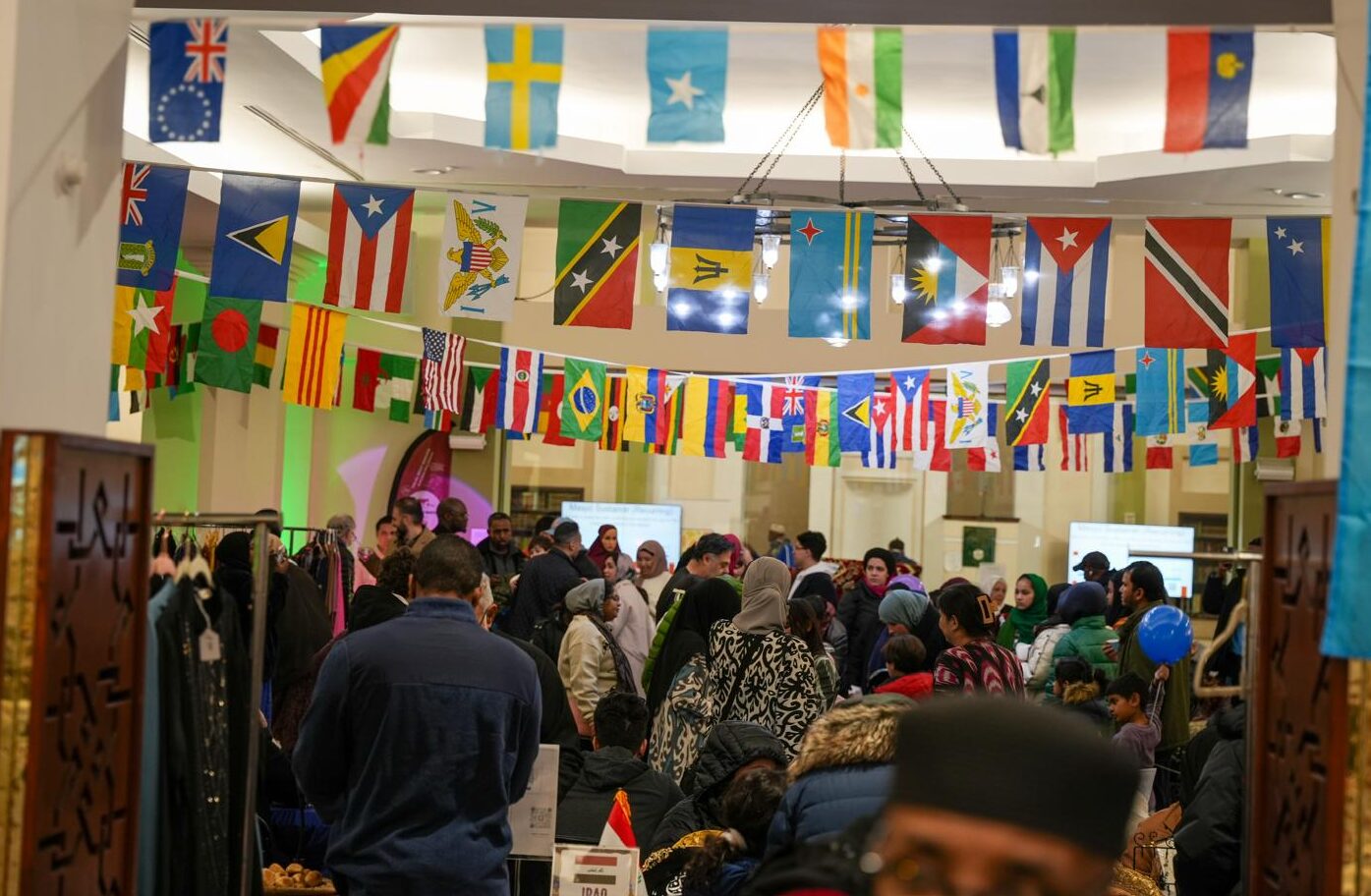
The bustling streets of Boston’s Dorchester neighborhood or the re-established mill districts of Lowell and Manchester are hotspots for languages, with Haitian Creole, Portuguese, Somali, and Spanish sounds, indicators of a more diverse New England than ever.
Yet, behind this cultural abundance, there is an unkind, structural truth, i.e., among thousands of immigrants and people of color (POC), language and cultural barriers are not nuisances, but sturdy obstacles, which prevent access to healthcare, housing, and economic survival.
With the adoption of 2026, regional advocacy organizations such as the International Institute of New England (IINE) and ACEDONE indicate that even though these cities sell themselves as friendly places, the institutionalization of the reception of new residents is highly unsatisfactory. To the immigrant population, failure to find ways in English-centric systems frequently produces a cascading effect of disadvantage that keeps families in the poverty trap.
The Healthcare Communication Gap
The consequences of language barriers are frequently life-or-death in cities such as Worcester and Providence. Although federal agencies stipulate the use of medical interpreters, most immigrants of color report tremendous challenges. Based on the latest community health analysis across the Worcester community, almost half of the immigrants residing within the community have been exposed to bias or discrimination in an attempt to access care.
When a patient cannot correctly describe symptoms in English, the risk of misdiagnosis is significant. Moreover, cultural variations in the conversation about mental health or chronic pain may result in cultural friction. This distrust, compounded by the fear of prospective changes in federal immigration enforcement policies, tends to push these groups further towards preventive care altogether, leading them to seek it in overcrowded emergency rooms.
Housing Insecurity and “Architectural Exclusion”
The impact of the housing crisis in New England’s Gateway Cities is felt most keenly by people who cannot navigate a standard lease form or challenge an unlawful eviction in court. In Boston, where 85 percent of specific African immigrant subgroups are the first generation in residence, many of them are relegated to the informal economy.
These residents are usually pushed into low-quality, so-called ‘hidden’ housing markets, without the usual credit history or the ability to understand English to negotiate the complicated mortgage applications.
In addition to the paperwork, researchers cite phenomena such as architectural exclusion, the way older New England cities traditionally used to create neighborhood barriers between areas of color and the centers of the economy. This is reflected in 2026, with the inability to rely on decent transit to high-paying job centers in areas with large immigrant populations, effectively isolating them in places with less access to resources and making them more susceptible to environmental risks.
The Economic Ceiling
Many skilled immigrants are yet to realize the dream of economic mobility. The typical New England irony is that a former Somali or Brazilian doctor or engineer is driving a ride-share car in Manchester since their foreign qualifications have not been accepted. The lack of culturally relevant financial literacy programs contributes to this “brain waste” problem.
The majority of POC are unbanked; they cannot access conventional banking, which is common because of language barriers or the lack of trust in institutions, and instead have to use predatory check-cashing services, which drain away their already limited income.
Toward a “Linguistically Just” New England
It is no longer an appeal for tolerance, but a call for systemic change by community leaders. It is now the activity-based ESL programs in Lowell and the multilingual financial workshops in Boston, and the pressure is on cultural humility: a model of sharing the burden of othering immigrants, rather than placing it solely on immigrants. New England will not have fully urbanized to the point where its citizens can communicate in a single language, which means the American Dream will always be a translation that did not quite cross the border.

Dr. Brian Omolo is an author and professional advisor dedicated to raising the voices of the different communities of New England. He is a PhD holder in Literature from Kenyatta University and a bachelor's degree holder in Pure Mathematics from the University of Nairobi, which justifies his combination of analytical clarity and creative insight.